Top Emerging Products Set to Boom in 2026
Keeping a pulse on emerging product trends is crucial for anyone looking to stay ahead in 2026’s fast-paced market. Technological breakthroughs and shifting consumer values are shaping what will sell big in 2026. From AI-driven gadgets to eco-friendly goods, certain categories are poised for explosive growth. E-commerce sellers are increasingly using real data to spot these trends, and social media “viral” moments can turn niche items into must-haves overnight. Below we break down the top product categories with examples and data – and explain why they’re set to thrive based on tech advances, consumer behavior, and cultural shifts.
AITECHNOLOGY
2/3/202611 min read
AI-Powered Consumer Tools & Devices
AI has gone mainstream, and consumers are embracing it in everyday products. Three years after the debut of ChatGPT, 38% of U.S. consumers have already used generative AI and most use it at least weekly. This surge is only the beginning: AI is becoming “invisible” as it gets embedded in apps, phones, and appliances that people use daily. Here’s why AI-enabled consumer tools are a top trend for 2026:
Generative AI Everywhere: From AI writing assistants to image generators, consumers now rely on AI as a new “answer engine” and creative tool. Over 50% of consumers in multiple countries use AI for answers and content creation. As AI integrates into search engines and productivity apps, it drives demand for services (and subscriptions) that leverage this tech.
Smartphone AI & Wearables: The latest phones and wearables come with on-device AI chips enabling advanced features (think real-time language translation or smart photography). In fact, AI-powered smart glasses are expected to kick-start a new wearables race, with ~10% of consumers trialing AR/AI glasses in 2026. This points to rising sales for devices that blend AI and augmented reality for an enhanced user experience.
Personal AI Assistants: Beyond Alexa and Siri, 2026’s AI assistants are more proactive and personalized. They learn user habits to automate tasks or give recommendations. Consumers are warming to the idea of AI “companions” – Forrester predicts a massive surge in AI companions usage (particularly among Gen Z) for advice, coaching, and even emotional support. This could translate into new products like AI-driven mental wellness apps or robot companions.
Overall, AI consumer tech is riding a wave of high adoption. It’s growing even faster than the smartphone revolution did, thanks to low barriers (many tools are free or built-in). As AI becomes a standard feature in gadgets, expect AI-powered products – from smart home hubs to creative software – to sell big in 2026.
Smart Home Devices & Intelligent Living
Smart home illustration: AI is making connected homes smarter and more autonomous.
Homes are getting an IQ upgrade. Smart home devices have been around, but 2026 marks the shift from simple “connected” gadgets to truly intelligent homes. These systems use AI to coordinate appliances, security, lighting, and more like a virtual housekeeper. Consumers increasingly expect their home tech to anticipate needs and make decisions automatically, not just follow remote commands. Several factors are driving this category’s boom:
Market Growth: The smart home market is already huge and expanding fast. Globally it grew to $175 billion in 2025 and is projected to reach ~$215.8 billion in 2026 (23% year-over-year growth). This surge is fueled by affordable IoT devices, greater Wi-Fi/5G access, and consumers’ appetite for convenience and security.
All-in-One Integration: The new Matter connectivity standard and voice AI assistants are making it easier to link devices from different brands. Homeowners can have thermostats, doorbells, cameras, and kitchen appliances all synced in one ecosystem. Energy-optimizing thermostats and smart lighting that cuts electricity use are trending, aligning with cost and eco-conscious mindsets.
Security & Peace of Mind: Demand for smart locks, video doorbells, and whole-home monitoring continues to rise. Modern systems use AI to distinguish between normal activity and potential threats. Unified smart security and monitoring ranks among the top smart home trends, giving families 24/7 peace of mind.
Entertainment & Comfort: From app-controlled LED mood lighting to “mega” smart TVs, consumers love tech that enhances leisure time. For instance, micro-LED TVs are hitting living rooms in 2026 – manufacturing advances mean even 100+ inch screens are becoming common and more affordable. Multi-room smart speakers, smart projectors, and personalized ambient lighting (that can sync with music or games) are popular upgrades.
Importantly, smart homes are getting smarter. Rather than a bunch of gadgets working in isolation, AI is linking everything into a cohesive system. Imagine lights that adjust based on your mood, fridges that order groceries, or sprinklers that check the weather forecast. That futuristic home is closer than ever in 2026, making smart home devices a lucrative category for retailers and a life-upgrader for consumers.
Domestic Robots and Drones for Home
Robot helpers are no longer sci-fi – they’re an emerging reality and a hot product segment. At CES 2025, a range of domestic robots and autonomous drones stole the spotlight, previewing what’s coming into homes. By 2026, we expect many early adopters to have at least one robotic assistant. Here’s what’s driving the home robot revolution:
Chore Automation: Companies are introducing robots that can handle mundane chores. Beyond the familiar robo-vacuums, there are prototypes for robots that stack dishwashers or fold laundry. Busy households and professionals eagerly await such products that free up their time.
Security & Monitoring: Autonomous security drones that patrol your property are emerging. These devices can automatically fly along a preset route or respond to alarms, streaming live video to your phone. It’s like having a mobile security guard – a compelling idea as home security remains a top concern.
Companion Robots: From robot pets to AI-powered companions for the elderly, a new class of robots offers social interaction and comfort. One example on display was a robot designed for companionship, responding to voice and touch. With many people open to AI companions (12% of UK/US adults already see AI as a “friend,” a number expected to rise), such products tap into a real emotional need.
Mainstream Adoption: The concept of a home robot is becoming normalized. As prices gradually fall and utility rises, 2026 could be the year these devices break into the mainstream. Consumers are getting accustomed to seeing robots in retail stores and restaurants – having one at home to manage an increasingly busy life feels like the next step.
While still early, the “robot revolution” at home is a trend to watch. Tech giants and startups alike are investing heavily in personal robotics. For consumers, a domestic robot offers novelty and convenience. For sellers, this is an exciting growth market – one that blends AI, hardware, and real-world problem solving. In short, expect home robots (and advanced drones) to be among the talked-about product hits of 2026.
Health & Wellness Tech Gadgets
Health is wealth, and in 2026 consumers are spending big on wellness technology. The global wellness tech market is already in the tens of billions and climbing rapidly. From fitness wearables to high-tech sleep aids, people are embracing gadgets that promise a healthier, happier life. Several trends explain why wellness tech products are booming:
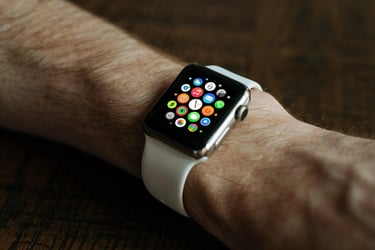
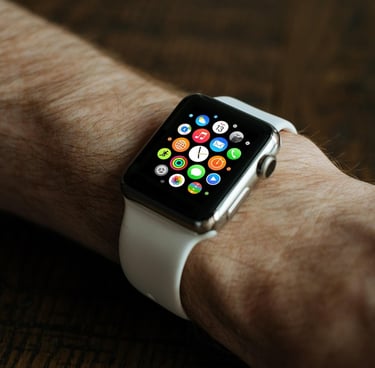
Wearable wellness tech: Smartwatches and fitness trackers help consumers monitor and improve their health.
Wearables Go Mainstream: Smartwatches, fitness bands, and health monitors have become everyday accessories. These devices track steps, heart rate, sleep quality, and even blood oxygen levels. The global wearable medical devices market is projected to reach $117 billion in 2026, highlighting massive consumer uptake. Newer wearables extend into niche areas – for example, continuous glucose monitors for diet optimization or posture-correcting devices for back health.
Actionable Health Insights: Today’s wellness tech isn’t just about data; it provides personalized insights and coaching. Devices come with companion apps or subscription services that interpret your metrics and suggest changes (diet, exercise, meditation) tailored to you. This aligns with a cultural shift toward preventative health and self-improvement. Consumers love products that make them feel in control of their well-being.
Innovative Home Health Gadgets: Expect to see more smart devices built for the home health routine. For instance, smart mirrors can analyze your face and vital signs each morning – even gauging stress or reminding you to take medication. Smart mattresses are now a thing, tracking your sleep posture and breathing to automatically adjust firmness for optimal rest. Meanwhile, relaxation tech like VR meditation apps, light therapy lamps, and massaging wearables address mental wellness, which is a growing priority.
Post-Pandemic Wellness Boom: The pandemic years put health in sharp focus, and that effect endures. There’s heightened interest in immune health (e.g. air purifiers, UV sanitizers), home fitness (from smart stationary bikes to compact gyms), and stress relief gadgets. Many consumers also continue to work remotely or in hybrid mode, so they invest in ergonomic and wellness items for the home office (think standing desks, blue light glasses for eye strain, etc.).
All told, wellness tech sits at the intersection of tech advancement and deep societal demand. As one report noted, devices and online services that give real insights into our physical and mental state will “continue to be big business”. People are eager to quantify themselves and use that data to live better. For 2026, that means strong sales for health tech products – and likely many new innovations in this space hitting the market.
Sustainable & Eco-Friendly Products
A major cultural shift towards sustainability is transforming consumer behavior. Shoppers in 2026 want their purchases to align with eco-friendly values, and they’re voting with their wallets. This makes sustainable goods one of the top emerging product categories. In fact, nearly half of US households now prefer eco-friendly options for everyday items like cleaning supplies. Key trends in this category include:
Green Materials: Products made from organic, recycled, or renewable materials are in high demand. For example, apparel brands using organic cotton, bamboo fabrics, or recycled polyester are gaining attention. Consumers appreciate goods that avoid harmful chemicals and reduce waste. Similarly, home goods made of recycled glass, reclaimed wood, or biodegradable plastics resonate with eco-conscious buyers.
Products with a “Second Life”: There’s a boom in items designed for reuse or refill. Think reusable water bottles and coffee cups – a full 60% of Americans prefer reusables over disposable bottles now – or cleaning products that come as concentrates with refillable containers. Also popular are upcycled products (made from repurposed materials) and refurbished electronics, as people embrace the circular economy.
Eco + Practicality: Sustainability is no longer niche; it’s expected. The winning products combine eco-friendliness with everyday practicality. Examples include stylish solar-powered gadgets, energy-efficient appliances (LED bulbs, smart thermostats), and electric tools (like lawnmowers or bikes) that reduce emissions. These items not only appeal to morals but often save money in the long run (through lower energy or replacement costs).
Transparency & Ethics: Modern consumers care about how products are made. Brands that highlight fair trade sourcing, carbon footprint reduction, or plastic-free packaging attract loyal followings. Shoppers appreciate labels like organic certified, cruelty-free, or fair trade – they signal that the product is aligned with ethical and sustainable practices. Companies meeting this demand are rewarded with trust and sales.
In short, eco-friendly products are moving from an alternative choice to the mainstream expectation. Retailers who stock items that are clean, green, and socially responsible will gain a competitive edge. Whether it’s in fashion, home goods, or even toys, sustainability is a selling point. As one analysis put it, this isn’t a fleeting trend but a fundamental change in consumer behavior – making sustainable goods a top category to watch (and invest in) for 2026.
Electric Vehicles & E-Mobility
The electric mobility revolution is in full swing. Electric vehicles (EVs) and related e-mobility products (like e-bikes and e-scooters) are among the fastest-growing big-ticket items in the mid-2020s. By 2026, EVs are moving from early adopter territory into the mass market, especially in many global regions. Here’s why this sector is set to soar:
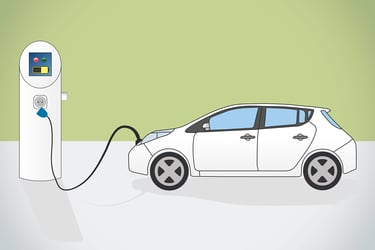
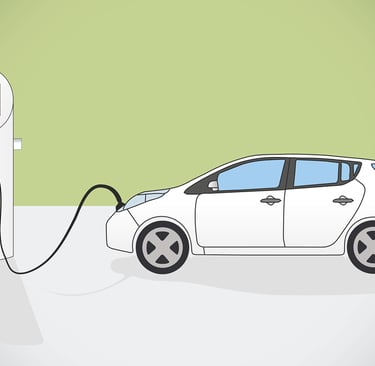
Sustainable mobility: Electric cars and charging stations are becoming a common sight as EV adoption grows.
Surging Sales (Despite Bumps): In 2025, global EV sales reached about 20.7 million units (a 20% year-over-year increase). By 2026, projections suggest nearly 23.9 million EVs will be sold worldwide – roughly a quarter of all new cars. Some markets like China are accelerating (expected +21% EV sales in 2026), though others like the U.S. are experiencing a temporary slowdown as incentives fluctuate. Overall, the trajectory remains strongly upward as battery costs drop and more models hit showrooms.
Tech and Model Maturation: The class of 2026 EVs offers longer ranges, faster charging, and more vehicle styles (from electric pickup trucks to luxury SUVs to budget compacts). Automakers are loading EVs with smart features – think advanced driver assists, self-parking, fatigue detection, and in-car AI assistants – making them attractive beyond just their eco-benefit. The improved infrastructure (more public charging stations, some offering ultra-fast charging) also eases consumer adoption fears.
E-Bikes and Micro-Mobility: It’s not just cars. Electric bikes, scooters, and mopeds continue to gain popularity, especially in urban centers. These offer convenient, affordable transport and align with sustainable city initiatives. The U.S. e-scooter market, for example, is projected to surpass $2 billion by 2026, highlighting impressive growth. E-bikes have similarly seen sales surge globally as commuters and recreational riders opt for battery-assisted cycling. Expect to see more innovative models (foldable e-bikes, long-range batteries, cargo e-bikes for families, etc.) and strong online sales for these items.
Cultural & Policy Shifts: A mix of environmental awareness and government policies is steering consumers toward EVs. Many buyers are motivated by lower long-term operating costs and the desire to reduce carbon emissions. Meanwhile, cities and countries are introducing measures – from zero-emission zones to tax credits (where still in effect) – that push the transition. Even with some policy headwinds in the U.S. recently, the global momentum toward electrification is undeniable.
For 2026, the e-mobility category is a smart bet. Car manufacturers are pouring billions into EV lineups, and startups in the micro-mobility space are innovating fast. Consumers are increasingly likely to have their first electric ride – whether it’s a car or a commuter scooter. Sellers and investors looking for growth segments will find electric vehicles and accessories (like home EV chargers, smart charging station finders, etc.) right near the top.
Creator Economy & Social Commerce Influence
In 2026, the way products gain popularity – and get sold – is heavily shaped by the creator economy and social commerce. Content creators (YouTubers, TikTokers, Instagram influencers, etc.) have become key tastemakers, and social media platforms are now major marketplaces. This trend doesn’t point to one product type, but it amplifies the growth of many products mentioned above. Here’s how the creator and e-commerce boom ties in:
Social Commerce Explosion: Shopping directly via social media is becoming routine. Globally, the social commerce market is approaching $1 trillion in 2026 (up from $873B in 2025). Features like Instagram Shops, TikTok Shop, and Pinterest buyable pins let consumers purchase in a few taps from a post or livestream. This seamless buying journey means trends spread faster – a viral video can translate to thousands of immediate sales. Categories like beauty, home decor, and gadgets thrive in this environment.
“TikTok Made Me Buy It”: Short-form video and viral challenges can turn obscure products into overnight sensations. Whether it’s a new kitchen gizmo, a fitness gadget, or a skincare tool, if a product catches on with creators, demand skyrockets. For example, a unique smart home hack or wellness device showcased by a popular creator can sell out in days. Brands are taking note, often partnering with influencers to showcase products, knowing the ROI can be huge.
Gear for Content Creation: The rise of millions of creators has itself created a market for creator gear. Items like ring lights, professional microphones, phone tripods, and streaming webcams are hot sellers. The creator boom is a big reason ring lights became ubiquitous – content makers want affordable ways to improve video quality. In fact, the demand for pro-style video setups is rising with over 200 million Americans watching short-form videos daily, fueling sales of influencer gear like ring lights. We’re also seeing more niche products like portable green screens, RGB lighting for room aesthetics, and video editing tools targeted at this demographic.
Community and DIY Brands: Another creator trend is influencers launching their own product lines – from makeup and supplements to merch and tech accessories. Fans often flock to buy these, given the built-in trust and community. Additionally, platforms like Etsy and Shopify empower individual creators and small businesses to sell unique, often handmade or limited-run products. This means the range of products available (and finding success) is broadening beyond what big-box retailers offer.
For consumers, all this translates to more discovery and personalization – you can find cool, niche products through people you follow and trust. For sellers, leveraging creators and social platforms is becoming essential. Those who succeed in 2026 will likely be trend-aware and agile, ready to jump on emerging fads and harness the power of the creator-driven marketplace. In summary, the creator economy doesn’t just predict trends, it propels them – making it a crucial factor in what sells big in 2026.
Conclusion: Riding the 2026 Trend Wave
The product categories above – from AI gadgets to sustainable goods – are set to define commerce in 2026. They’re fueled by concrete advances (like AI and battery tech), as well as deep shifts in consumer behavior (wellness focus, eco-consciousness, the influence of social media). For entrepreneurs and consumers alike, the key is to stay informed and adaptive. Successful online sellers already use data to curate what’s hot, and many of 2026’s hits will come from identifying these trends early.
In a nutshell, the landscape of 2026 will favor products that make life smarter, healthier, and greener – or help you have fun and express yourself (often with a camera rolling!). E-commerce will continue growing hand-in-hand with social media, so expect more viral products and fast-changing fads. By keeping an eye on categories like the ones above, you’ll be well positioned to stay ahead of the curve – whether you’re buying, selling, or creating the next big thing.
Sources:
Bernard Marr, Forbes: 10 Biggest Consumer Tech Trends of 2026
Forrester Research: GenAI & Consumers 2026
The Business Research Company: Smart Home Market Report 2026
Reuters (via Finance-Commerce): Global EV Sales Outlook 2026
Printful Ecommerce Trends: 21 Trending Products for 2026
CJ Dropshipping: Trending Products & Stats 2025/26
Rysons UK Retail Blog: Sustainable Sourcing Trends 2026
TheBusinessResearchCompany: Social Commerce Market Overview
Fortune Business Insights: Wearable Devices Market Growth
Contact
Tell me about your project or idea.
aivisibilitysolutions@gmail.com
© 2025. All rights reserved.